Once, “weirdness” carried weight. You didn’t curate your quirks, perhaps they just existed. Maybe you collected obscure vinyl records or made a pact with yourself to hunt down every Spiderman comic after issue #546. Now? You Google and quiz yourself to find which aesthetic you embody, and the algorithm hands you a personality complete with a tote bag and matching moral stance.
Individuality once stamped itself like a fingerprint, and now formulas mimic it to a T.
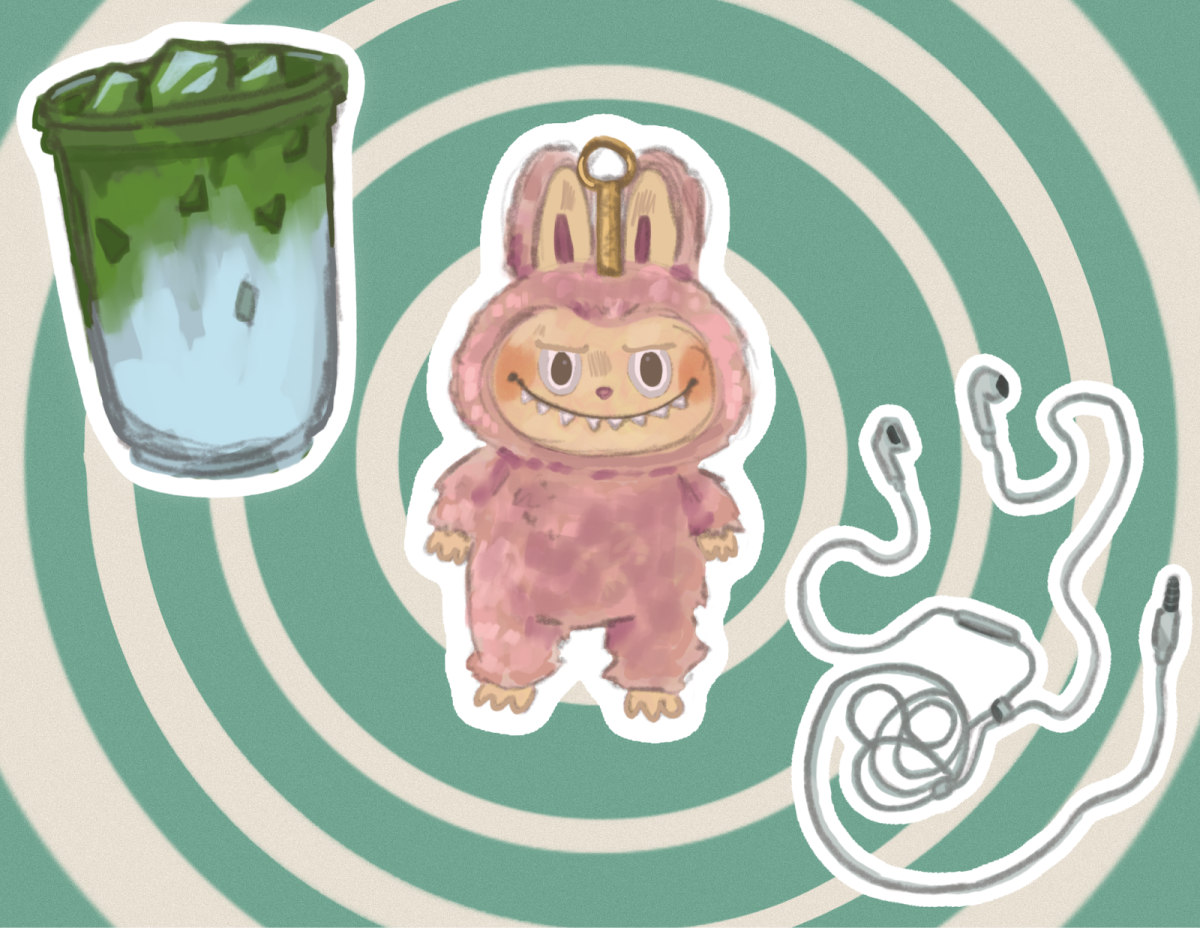
Today’s alleged individuality lends itself to a performer with similar purposeful spontaneity, which is in short, the performance of individuality that is deliberately curated but ultimately appears the same as everyone else’s attempt of being different. The most notable example, the performative male as profiled in the New York Times, “curates his aesthetic in a way that he thinks might render him more likable to progressive women”, a self-aware rebel typically armed with The Bell Jar and/or a reusable cup. Rebellion turns into something sellable and difference carries a price tag. The paradox stings; every act of individuality now rehearses unpalatable sameness, and the idea of self-awareness performs better than self-awareness itself.
Annabel Darst, a WHS sophomore, captured this tension best. She said that “people find a niche for you to fit in somewhere…it’s impossible to be authentic, but you can find something that’s closer to what you want.”
People opt to lose their authenticity to validate their sense of self, but when platforms reward this polished deviation, people can’t maintain it. EY’s Gen Z segmentation study exposes a noticeable contradiction: 91% of Gen Z think authenticity’s importance cannot be manufactured, yet only 21% represents what the study calls “Authentic Activists”.
This trend reshapes peer cultures as well. Teens now evaluate each other by crafted aesthetics, ones Mireille Silcoff of the New York Times thinks have “much content but little context — a lot to look at but only the faintest connection to real-world experience, reminiscent of the surface-level excuses for subcultures evident as of now.
Any loose collection of mildly interrelated images ornament a Pinterest board of a new aesthetic for those who want an easily accessible niche to crawl into, akin to WHS sophomore Zachary Northway’s hypothesis that “some societal differences are just normalcy masked in a different face.”
In this society that claims to praise true individuality and authenticity, what of those who don’t pick an aesthetic and commit to the bit? Northway details a threshold of sorts, where we applaud ubiquitous uniqueness as long as it behaves within cultural boundaries; people who have “legitimate differences” are often “ostracized.”
Digital performance masquerades as rebellion but behaves like conformity, because when everything becomes niche, nothing truly is anymore. Darst’s reflection lingers. She claims that “no one really has an original thought about who they want to be.”
Matcha-chugging, quarter-zipped males would likely blank if asked about the gender pay gap. Perhaps originality only requires honesty; perhaps individuality survives not in performance, but in refusal.